


|
 |

|
|

|
 |
|

|


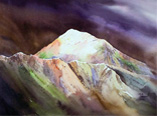
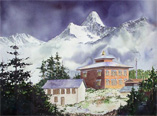
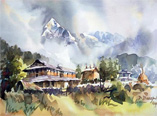
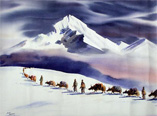
Contemporary Arts paintings: Commerical Arts From Nepal
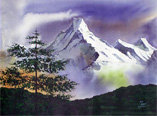
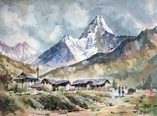
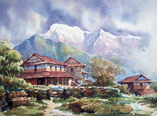
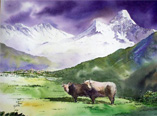
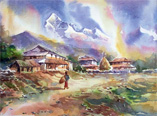
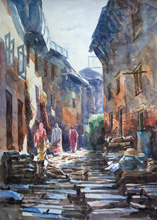
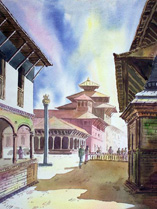
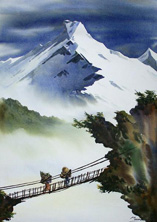
Nepal Commercial Art is the art of creative paintings symbolic arts of Nepal nature, Social lifestyle figures, culture and history, referring to art created for commercial purposes, primarily as advertising Nepal in arts and paintings. Nepal's earliest paintings appeared in 11th century AD. and consisted of illustrated manuscripts on palm leaf or rice paper. Thangkas, a more predominant form of painting, are popular among Buddhists in Nepal as well as in Tibet and date back to the late 14th century. These paintings on cotton are rectangular in shape and usually longer than they are wide. They are framed with three stripes of Chinese brocade of blue, yellow and red which represent the rainbow which separates sacred objects from the material world. Older Thangkas consisted of mineral-based colors, while current Thangkas are produced with vegetable-based or chemical colors. Frequent themes of Thangkas include images of Buddhist figures, mandala designs, the wheel of life design, or depiction of scenes or stories.
Mandalas are geometrical patterns which assist in the practice of meditation, as well as symbolize the nature of the universe. The symmetrical pattern reflects the development of the cosmos from an essential Principle and its rotation around a central axis.
Other Buddhist symbols are common to Thangkas and wall paintings. A picture of four guardians may adorn the entrance to a monastery; two images are benevolent to greet worshippers, and two are fierce looking to protect against evil spirits. Other symbols are the wheel of moral law, the umbrella to protect against evil, the victory banner of Buddha's doctrine, two golden fish which represent wealth, the endless knot of eternal re-birth of everything, the flower-vase holding eternal bliss, the conch-shell proclaiming the benefits of enlightenment, and the lotus flower which symbolizes purity and the release of spirituality from earthly roots.
The fable of the four unanimous brothers involves an elephant standing near a fruit-bearing tree with a monkey on its back. The monkey holds a rabbit on its shoulder and a bird perches on the rabbit. All hold a piece of fruit. The bird maintained that while enjoying the shade and fruit of the tree, they owe gratitude to him since he planted the seed of the tree. The rabbit replied that while the bird sprinkles seed without regard, he watered the seed daily and conscientiously. The monkey stated that it was his dung, not the planting or the watering which was essential to the seed's growth. The elephant acknowledged their contributions, but said that it was his protection of the plant from other animals which made the tree's growth possible. The moral of the story is that cooperation causes fruitfulness.
Nepal Commercial Art is the art of creative paintings symbolic arts of Nepal nature, Social lifestyle figures, culture and history, referring to art created for commercial purposes, primarily as advertising Nepal in arts and paintings. Nepal's earliest paintings appeared in 11th century AD. and consisted of illustrated manuscripts on palm leaf or rice paper. Thangkas, a more predominant form of painting, are popular among Buddhists in Nepal as well as in Tibet and date back to the late 14th century. These paintings on cotton are rectangular in shape and usually longer than they are wide. They are framed with three stripes of Chinese brocade of blue, yellow and red which represent the rainbow which separates sacred objects from the material world. Older Thangkas consisted of mineral-based colors, while current Thangkas are produced with vegetable-based or chemical colors. Frequent themes of Thangkas include images of Buddhist figures, mandala designs, the wheel of life design, or depiction of scenes or stories.
Mandalas are geometrical patterns which assist in the practice of meditation, as well as symbolize the nature of the universe. The symmetrical pattern reflects the development of the cosmos from an essential Principle and its rotation around a central axis.
Other Buddhist symbols are common to Thangkas and wall paintings. A picture of four guardians may adorn the entrance to a monastery; two images are benevolent to greet worshippers, and two are fierce looking to protect against evil spirits. Other symbols are the wheel of moral law, the umbrella to protect against evil, the victory banner of Buddha's doctrine, two golden fish which represent wealth, the endless knot of eternal re-birth of everything, the flower-vase holding eternal bliss, the conch-shell proclaiming the benefits of enlightenment, and the lotus flower which symbolizes purity and the release of spirituality from earthly roots.
The fable of the four unanimous brothers involves an elephant standing near a fruit-bearing tree with a monkey on its back. The monkey holds a rabbit on its shoulder and a bird perches on the rabbit. All hold a piece of fruit. The bird maintained that while enjoying the shade and fruit of the tree, they owe gratitude to him since he planted the seed of the tree. The rabbit replied that while the bird sprinkles seed without regard, he watered the seed daily and conscientiously. The monkey stated that it was his dung, not the planting or the watering which was essential to the seed's growth. The elephant acknowledged their contributions, but said that it was his protection of the plant from other animals which made the tree's growth possible. The moral of the story is that cooperation causes fruitfulness.


- Razor cut hippy clothing for modern trendy womens and girls
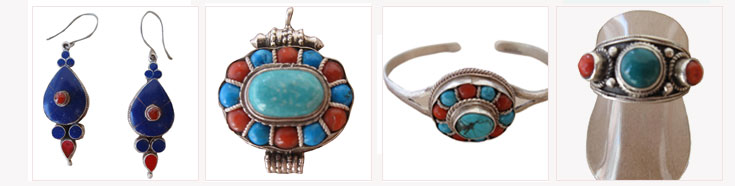
- Nepal handmade 925 sterling silver Jewelry
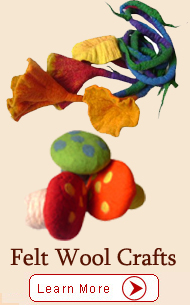
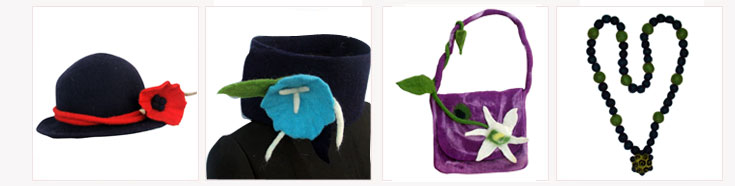
- Felt wool products bags shoes felt accessories and much more
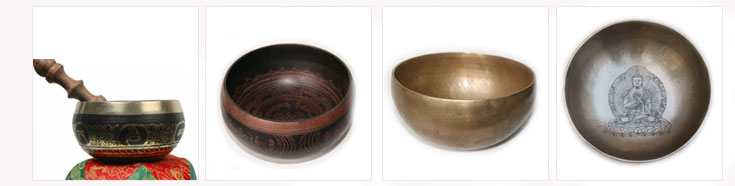
- Tibetan Singing Bowls, Antique, Carving and Itching
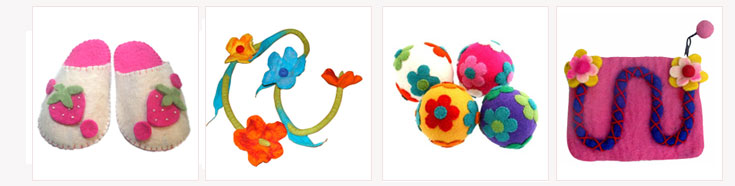
- Felt accessories, felt shoes and felt wool handmade products
Nepal Art Shop Export & Import (P.) Ltd.
Nepal Government Registered
Kathmandu, Nepal. 977 9860937940
Email: nepalartshop@gmail.com / nepalartshop@outlook.com
Nepal Government Registered
Kathmandu, Nepal. 977 9860937940
Email: nepalartshop@gmail.com / nepalartshop@outlook.com
 |
 |
 |
 |
 |
Copyright © 2007-2010, Nepal Art Shop Export & Import (P.) Ltd. All right reserved, Site Design by Ramsbay Technology