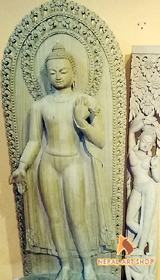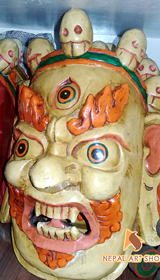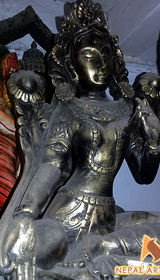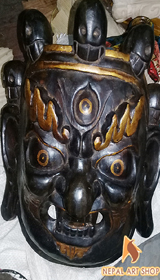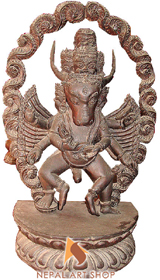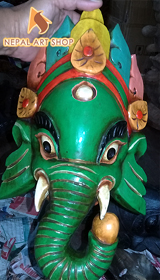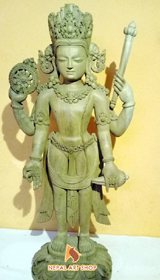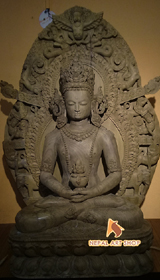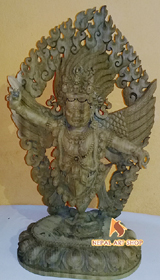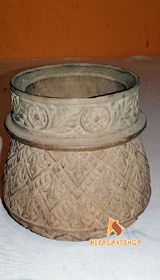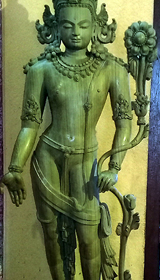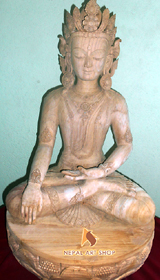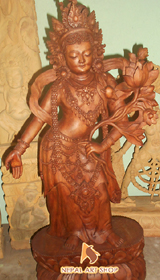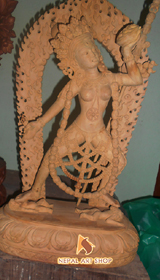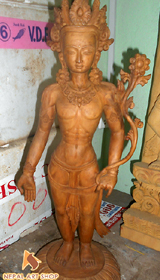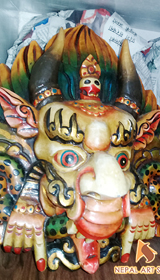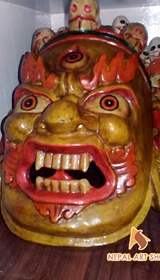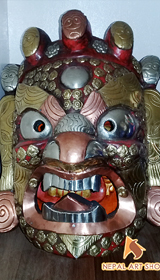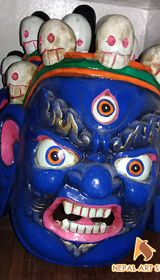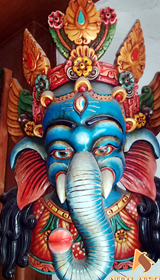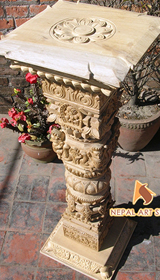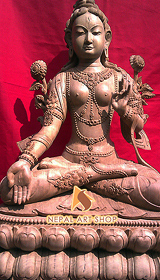

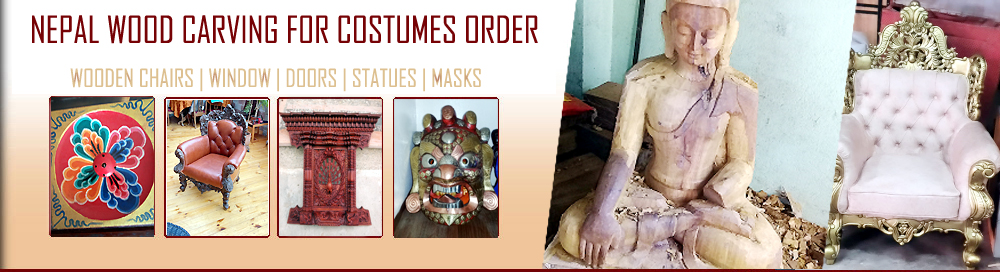











The art of wood carving has been the pride of Nepal for many centuries. Woodwork has been part of traditional architecture of Nepal and wood carvings have graced monasteries, Hindu temples, palaces and residential homes since the twelfth century, although the earliest surviving dated temple decorated with wood carving, the Indresvara Mahadeva temple in Panauti near Banepa, bears the date 1396. Another one of such wooden monument, a traditional architectural site named Kasthamandapa a wooden mansion near Hanuman Dhoka, Kathmandu, still stands. There is no evidence regarding its built period but is believed before 1143 as a shelter for travelers in the trade route. The legend also says that, this Kasthamandapa was built out of a single timber. In fact, the history of woodcarving in Nepal is older than that. There is no physical evidence or any physical monuments but in many documentaries there is mention of Licchavi period (300-879 AD) and woodwork in that period. A Chinese traveler Wang Hsuan Tsang (643 AD), who has described Licchavi kingdom in his travel log, has clearly mentioned the beautiful woodcrafts, wood sculptures, and decorations used by the Licchavis. While earlier woodcarvings have been described in travelogues, samples have not survived the elements.
| "The people of Nepal are skilled in arts. Their houses are made of wood and carved." |
| -- Wang Hsuan Tsang: Memoirs. AD 643. |
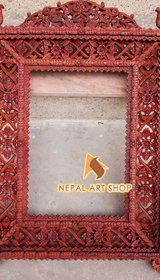
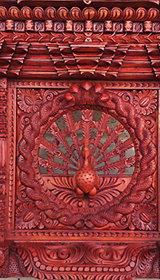
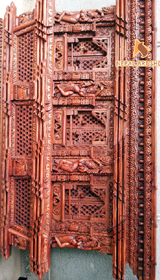
Historic sources name a kind of wood called Dhunsi or Chasi, meaning in Newari "as strong as a tiger". Today, mainly sal, agrath and chapa wood, available in plenty in and around the Valley is used. Wood has been traditionally the main building material in the Valley and it was only natural that the heavy wooden framework, which forms the essential part of the structure, and the beams, struts, pillars and entablatures, forming an ingenious system of load distribution and roof support, should be used for ornamentation. Consequently, all available surfaces of wood, including doors, windows, cornices, brackets and lintels were beautifully shaped and formed and lavishly carved in intricate patterns of geometrical, floral, human and animal forms.
The techniques used by the Nepali wooden craftsmen follow the prescriptions for wood carving contained in medieval texts, which give exact and specialized instructions for every aspect of craft. The execution of the decorative work had to be very precise so that the countless tiny component parts of a pattern fit perfectly, because no nails or glue are used.
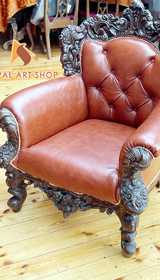
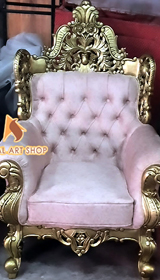
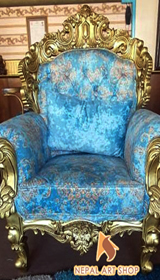
Wooden Crafts in Nepal today has explore many techniques and know how to make luxury home decor wooden crafts and most of home decoration essentials Doors, Window, Cabinets, Wall Decor wooden Crafts, Kitchen Dining Tables, exclusive Chairs and Coffee Tables. So for wholesale Nepali wooden crafted Furnitures, Sculptures, Statues and any form of wooden works you please contact us.